Alligator® Lacing

Staple Lacing

Bolt Hinge Lacing

Bolt Solid Plate Lacing

Rivet Hinge Lacing

Rivet Solid Plate Lacing

Spiral Lacing

Plastic Rivet Lacing

Conveyor Belt Lacing

Tide Industrial offers multiple effective options for splicing and installing conveyor belts to suit a wide range of applications. Common methods include mechanical conveyor belt lacing such as clipper, alligator, bolt solid plate, and bolt hinge styles, as well as endless spliced belts using lap or finger splicing for a smooth, fastener-free joint and higher strength ratings. Lacing can be recessed, covered, or hidden to reduce wear, improve tracking, and protect conveyed material. Shown below are many of our popular lacing styles—be sure to also explore our full range of replacement conveyor belts, conveyor belt cleats, buckets, sidewalls, and other profiles to complete your system.
Lacing Options

Clipper® Lacing

Clipper® Lacing uses individual clips which are installed using a special machine with minimal damage to the belt.  The ends are joined by a pin. Clipper Lacing provides a smooth joint which can be used for trough conveyors and smaller pulleys.

Alligator® Lacing

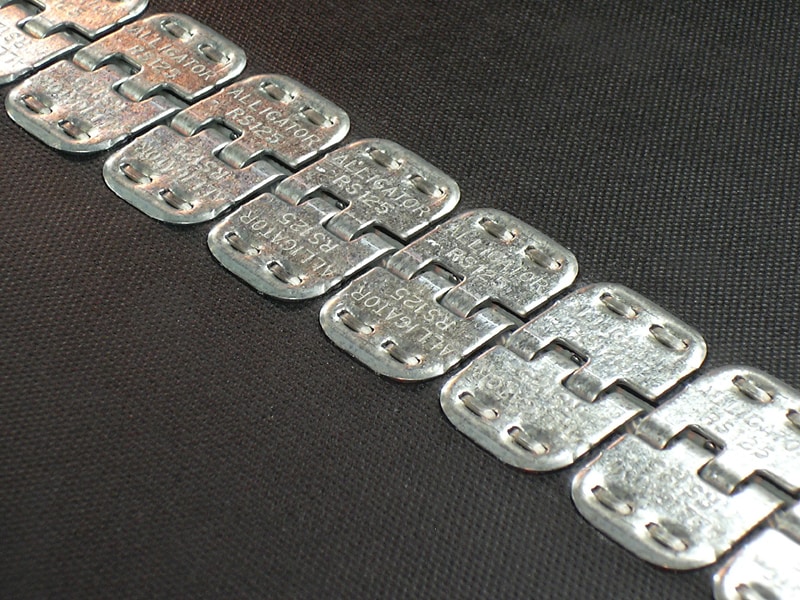
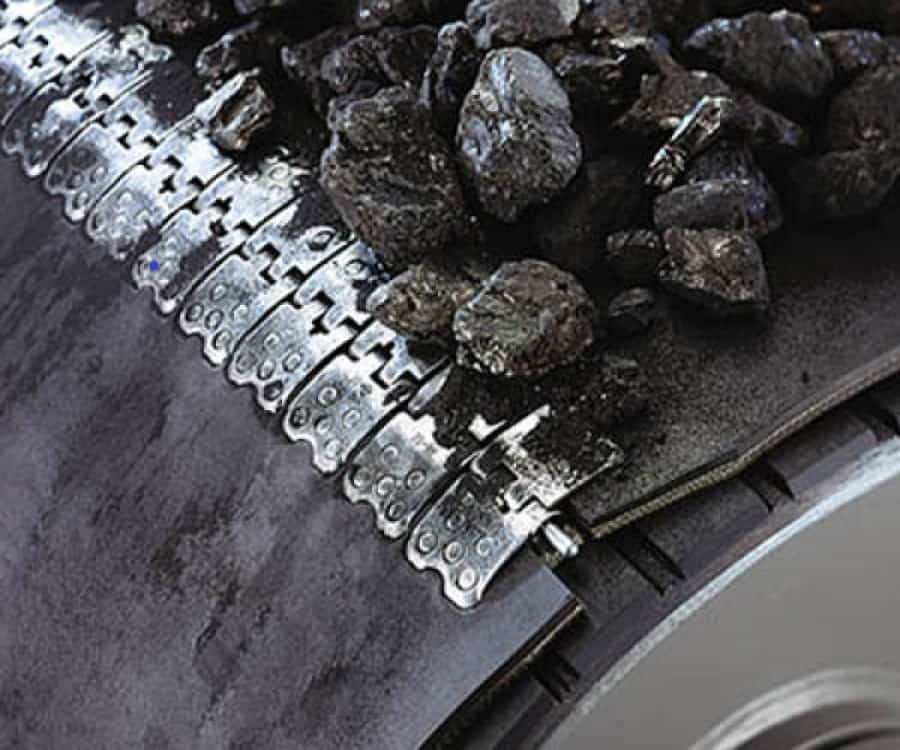
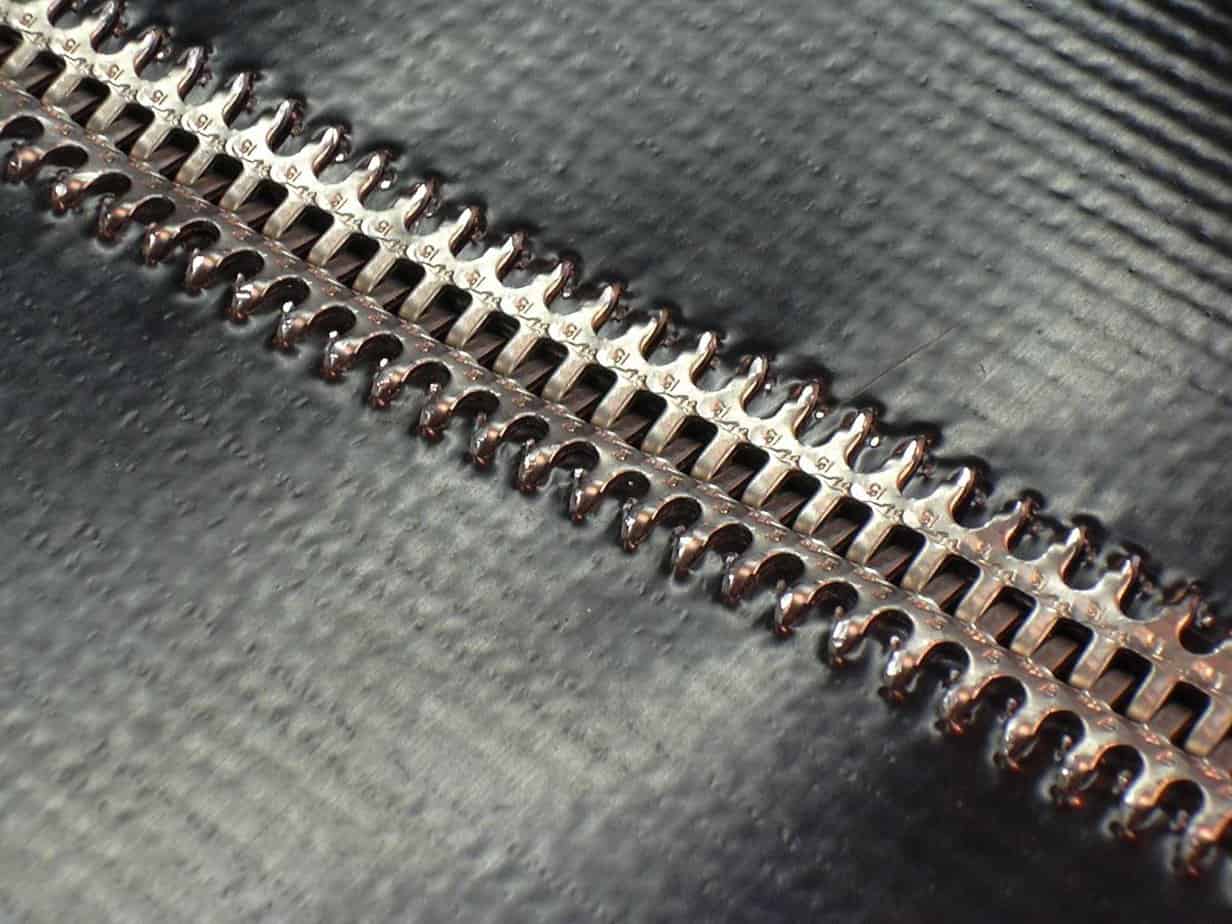
Alligator® Lacing uses strips of steel with teeth which are hammered into the conveyor belt.  The end can the be joined with pin.  Alligator lacing is very popular because of its ease of installation.  Not generally recommended for trough conveyors or smaller pulleys.

Staple Lacing

Staple Lacing uses a one-piece fastener strip with pre inserted staples which is hammered into the ends of the belt with a tool.  Ideal for a wide range of light and medium duty applications and is typically easy to install.
Staple Lacing Details

Unibar Lacing

Unibar Lacing uses individual clips which are welded together with a common bar.  Installation requires a special machine and then can be joined with a pin.

Bolt Hinge Lacing

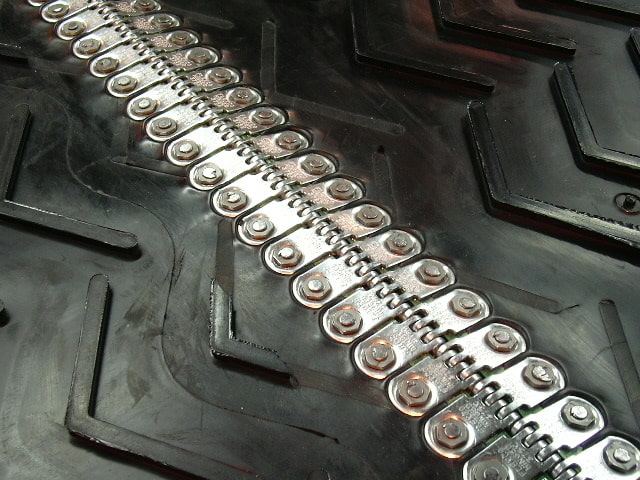
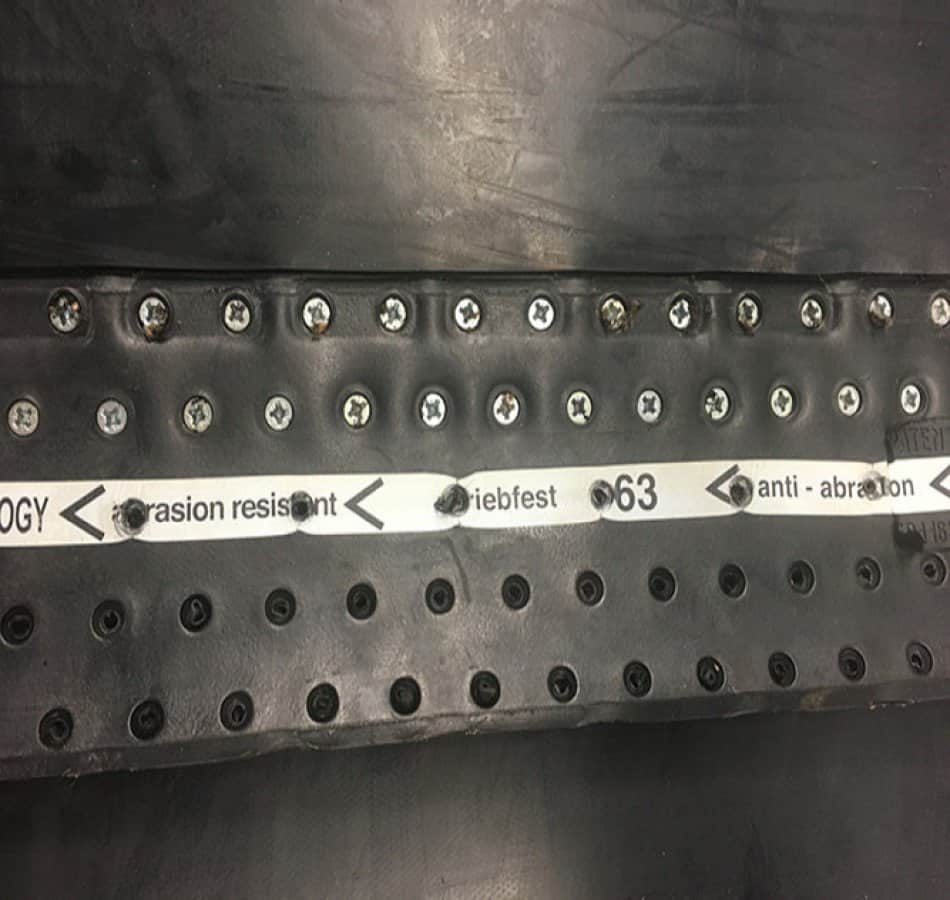
Bolt Hinge Lacing uses solid plates which are bolted along the belt ends and joined via a pin. These are commonly used in heavy duty applications.

Bolt Solid Plate Lacing

Bolt Solid Plate Lacing uses steel plates which are bolted together across the belt ends to create a belt splice. Can be installed with inexpensive tools and is used in heavy duty applications.

Rivet Hinge Lacing

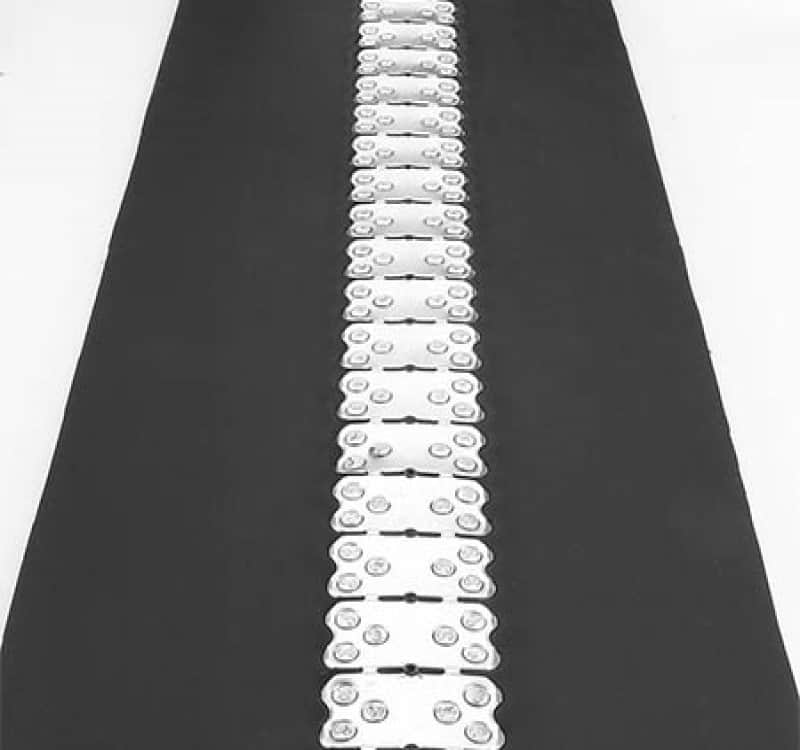
Rivet Hinge Lacing uses solid plates which are riveted to the belt ends by means of a special tool.  The rivet hinge lacing is  held together by a pin. Generally good for many heavy duty applications.

Rivet Solid Plate Lacing

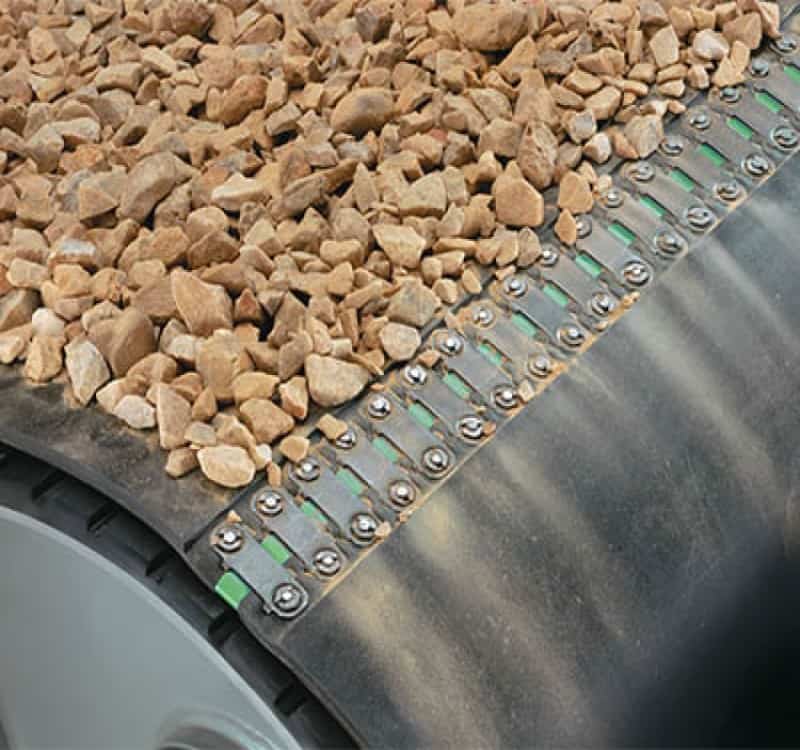
Rivet Solid Plate Lacing uses solid plates which are riveted to the belt while it is on the conveyor. Special tooling is required to install this lacing. Typically used in heavy duty applications.

Spiral Lacing

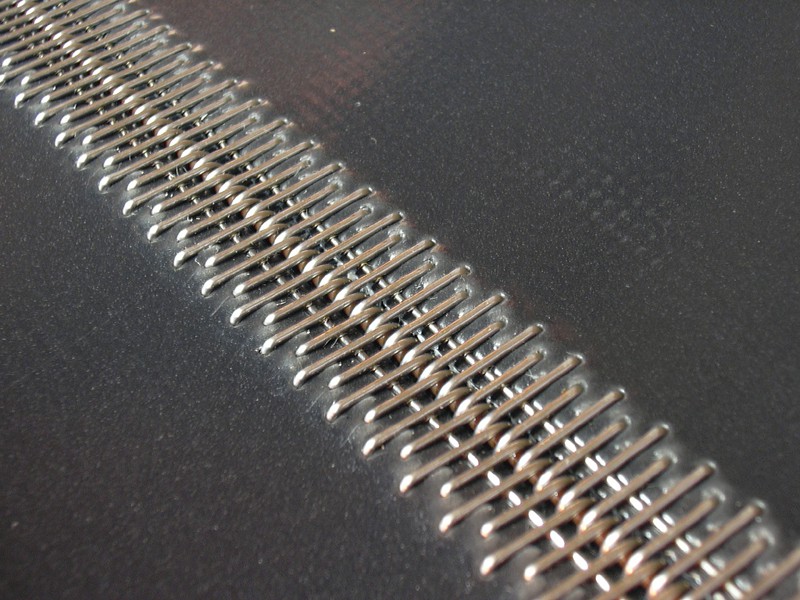
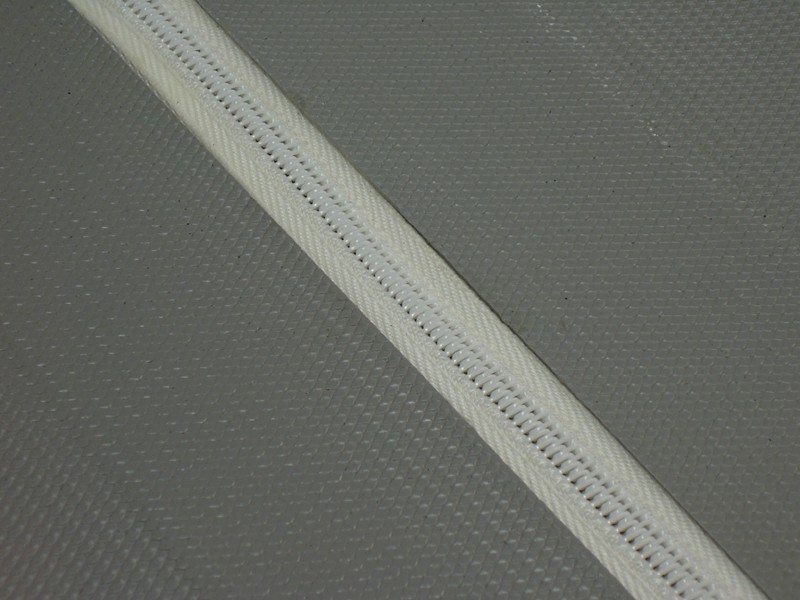
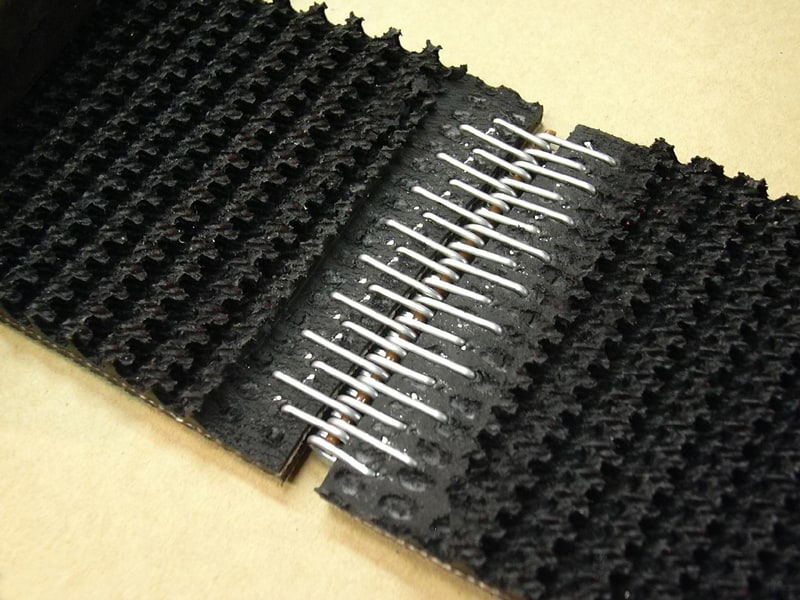
Spiral Lacing uses polyester webbing which is sewn or vulcanized into the belt ends.  Ends are joined via a non-metallic pin. Often used in x-ray machines or metal detectors.

Plastic Rivet Lacing

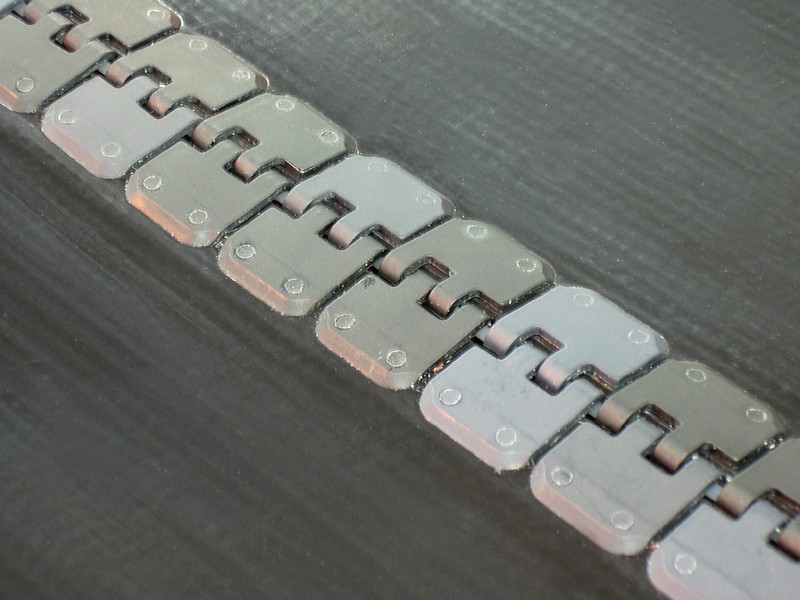
Plastic River Lacing uses small plastic plates installed with a machine.  Ends are then joined together with a non-metallic pin. This lacing is useful in areas where metal cannot be used such as metal detectors.

Super Screw Lacing

Super Screw Lacing uses a flexible rubber splice that screws directly into the belt with self tapping screws and without need for special tools. Maintains belt integrity while being flexible, wear and cut resistant.

Lacing and Tools

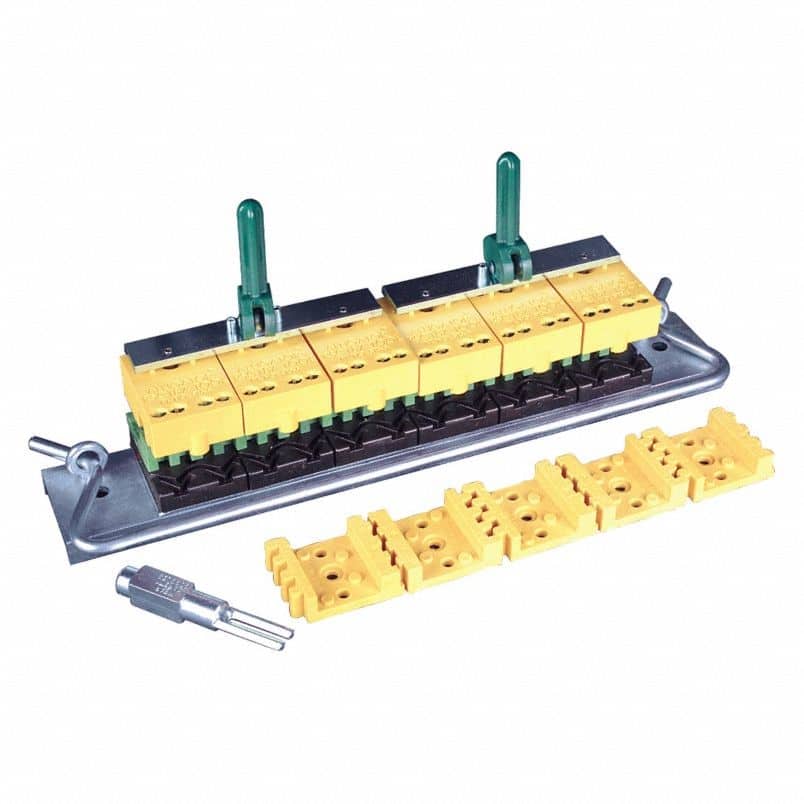
Additional lacing options to meet our customers’ varied applications are available from trusted brands.  We carry lacing, installation tools, kits and other splicing options.

Endless Splice Options

Endless Lap Spliced Belt

Lap Spliced Belts

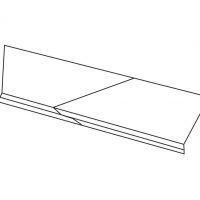
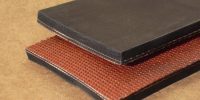
Lap Splicing can be used on belts with multiple plies. The belt joint is hot vulcanized with rubber or thermoplastic to bond into and endless belt without a metal fastner.

Finger Spliced Belt

Finger Spliced Belt

Finger spliced belts use hot vulcanization and thermoplastic belts are remelted to produce a strong, smooth, endless splice without fasteners.  Belts with multiple plies can be double finger spliced.

Skived Spliced Belt

Skived Splice Belt

Endless Skived Splicing can be used on some belts that have nylon cores or PVC belts. A hot vulcanized press is required for this splice.

Stitched Belt

Stitched Belt

Stitched Reinforced
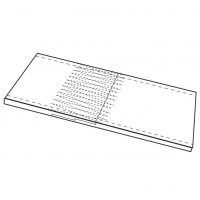
Belts can be stitched across the splice for additional reinforcement to handle tough conditions.

Contact Us :

See our Product Lines

Flexco®, Clipper® and Alligator® Lacing are registered trademarks/service marks of Flexible Steel Lacing Company